
Greenbelt Previous Residents by Era
One Greenbelt address can hold several histories. Prince George's land books predate the city. So an early recorded party may belong to a farm tract or subdivision rather than a familiar street. An early deed party may not be a resident at all. Greenbelt's own household records begin in the planned-town era, and they carry gaps. Match each record to the period it covers. Then test the link against a second source. A deed tracks ownership. A directory or local notice better shows who actually lived there.
| Source | Years it covers | Where held | What it shows |
|---|---|---|---|
| Surviving Prince George's land books | 1696 to 1851 in MSA series C1237; later books continue | Maryland State Archives and MDLandRec | Deeds, mortgages, and early instruments, often with pre-Greenbelt legal descriptions. |
| Prince George's electronic land indexes | Components marked by 1950, 1995, and 2003 milestones | MDLandRec | Grantor, grantee, and images where indexed; confirm the applicable cutoff. |
| CE411 historical release series | 1966 to 1994 | MDLandRec Historical Indices | Agreements, assignments, notices, and releases. |
| First Greenbelt Town Directory | 1938, first issue February 1 | News Review archive and Tugwell Room | Names, addresses, and phones for blocks D, E, and F only. |
| Town Directory correction | 1947 verified issue | News Review PDF and Tugwell Room | Names, spouse notation, phones, and corrections or additions. |
| Cooperator and News Review | 1937 to current, with archive gaps | News Review archive, library, and Internet Archive | Arrivals, departures, clubs, civic activity, and occasional home clues. |
| "Hi, Neighbor!" | January 30, 1942 to July 1945 | News Review archive | Early Greenbelt Homes moves, arrivals, and departures. |
| Federal census | 1940 and 1950 public under the 72-year rule | NARA, FamilySearch, and library databases | Household composition and enumeration geography. |
| City issued-permit archive | 2017 to 2019 visible folders | Greenbelt city archive | Permit PDFs; other periods need a city or county records route. |
An early parcel search starts with the legal description and the recorded chain. Work it owner by owner. A mid-century Greenbelt household works better in reverse. Begin with the city directory or paper evidence. Then anchor the household in a census or property record. Current county permit material appears in LookSee only as a Momentum item. A permit applicant may be a contact rather than an owner. It marks a date, not a household.
Note: The era table separates confirmed Greenbelt evidence from broad county records so a historic address is not mistaken for a current residence.
Greenbelt Previous Residents in MDLandRec
Begin at SDAT. Pull the parcel's Liber/Folio and legal description first. Then open Maryland Land Records for the ownership trail. The index covers Prince George's County. Party name, party type, document type, date range, book, and page are all searchable. Modifiers include exact, begins with, ends with, contains, fuzzy, and Soundex. Those help when a Greenbelt surname shifted spelling. Every hit still needs a check against lot, block, acreage, subdivision, or plat reference. A shared name alone proves nothing.
The MDLandRec source is the official index and document interface for the backward land-record search.
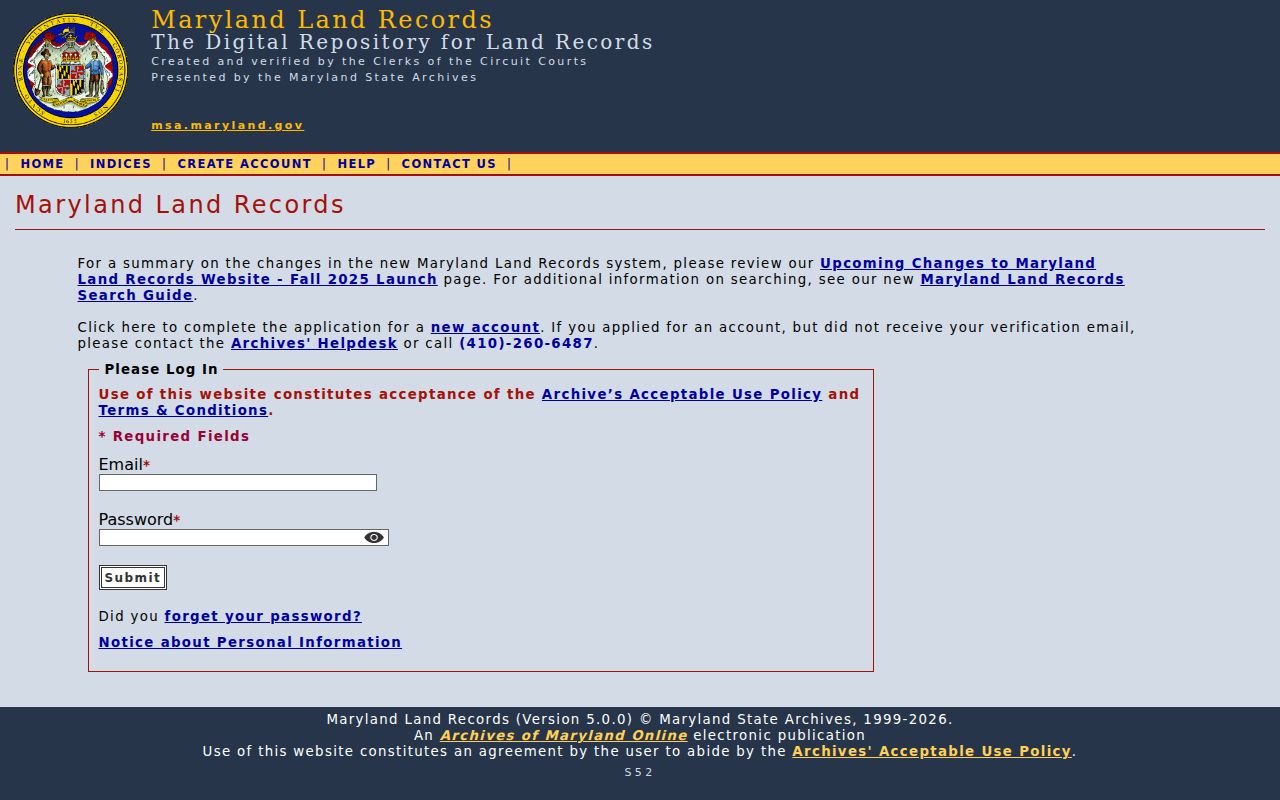
A party-name result on the index image must be bridged to the document's legal description before it counts as part of a Greenbelt address history.
Prince George's has no single electronic cutoff. Official search aids cite 1950, 1995, and 2003 milestones for different components. Earlier material may need Historical Indices or Jump to New Volume. The earliest surviving county land books reach 1696. One series deserves special attention. CE411 separately indexes agreements, assignments, notices, and releases from 1966 through 1994. Before 1966, releases appear only with the related instrument.
Greenbelt Court-Unit Searches for Past Residents
Greenbelt's original neighborhood was built around superblocks, interior walks, and Greenbelt Homes, Inc. court/unit formatting. That creates a continuity problem. A modern street and ZIP address is one form. A historic directory block is another. A deed's legal description may not look like either. The News Review archive recommends court/unit form. Keep all three forms side by side. One text search cannot be assumed to cover street, court, and lot at once.
The Tugwell Room holds city-directory files, maps, oral histories, a 1938 Greenbelt map, an aerial photo, and GHI blueprints from 1936 to 1938. That is the bridge most searchers need. A blueprint ties a structure to its court/unit. The collection does not yield a complete list of past residents, though. GHI does not hand out former-resident names.
The Tugwell Room source page identifies the local-history collection behind this court-unit follow-up. Start with a map or blueprint. Translate the place language first. Then return to the dated directory or newspaper record for the household question.
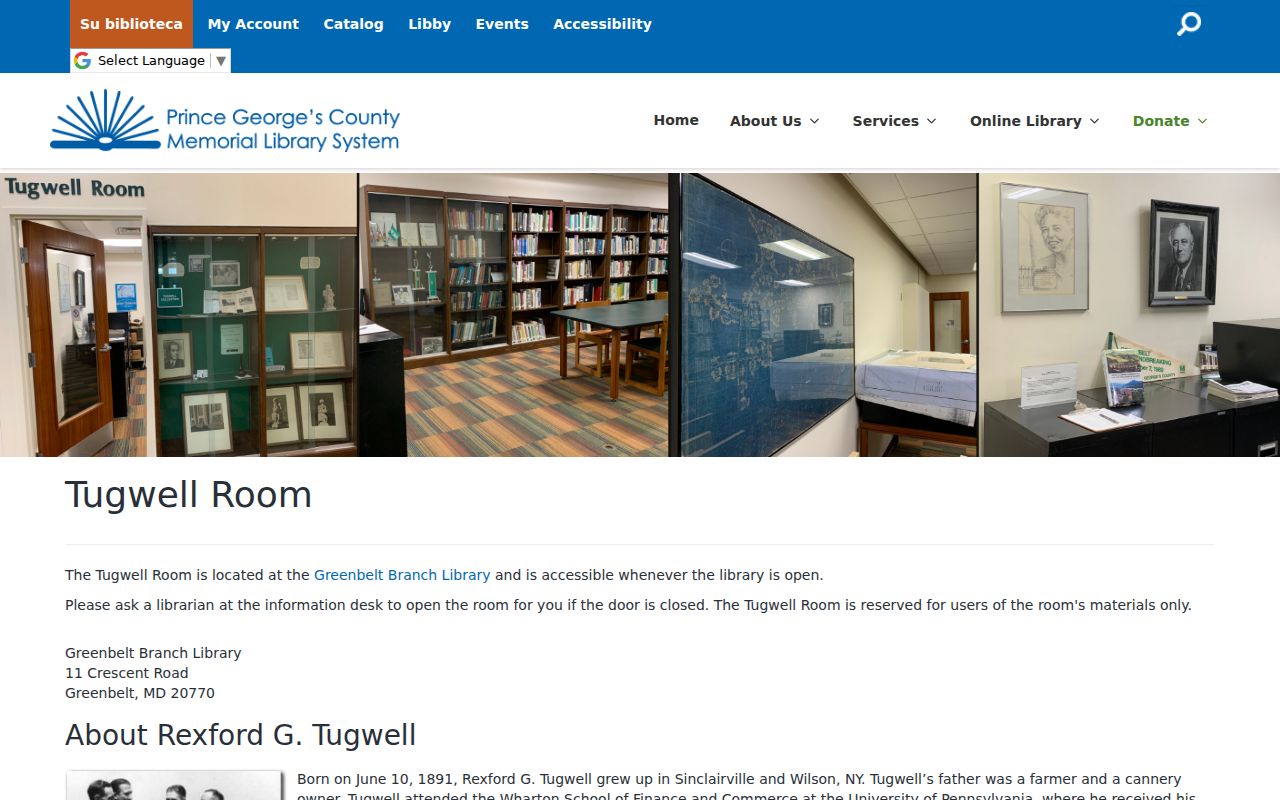
Translate place language with a Tugwell map or blueprint. Then go back to the dated directory or newspaper record for the household question.
Greenbelt Permit Dates for Previous Residents
Permits can date work at a Greenbelt address. Construction, additions, conversions, and code projects all leave paper. The city archive visibly lists issued-permit folders for 2017, 2018, and 2019. Other city periods take a different route. File a narrow Maryland Public Information Act request with Planning and Community Development, giving the address and date range. The reply must meet the statutory window. The city will not create new records.
For county material, LookSee Property Explorer accepts a street number and name or a Momentum reference number. Only Momentum items appear. A blank result proves little. The item may predate the system, use a different reference, or sit with the city archive, counter, or MPIA route.
Note: A permit may name an applicant or contact, so use it to date property activity rather than to declare who lived there.
Following Greenbelt Owners Across the Deed Chain
A chain of title traces recorded transfers of a Greenbelt parcel. It does not cover every household that ever lived there. Start with the current parcel. Work backward from the purchase deed to the seller's own acquisition. A "being the same as" recital inside a deed often cites an earlier book and page. When no recital appears, search the seller's name as a grantee. Then match each result against the legal description. The MDLandRec user guide explains the Historical Indices. It also explains the book/page jumps that older Prince George's records require.
- Search SDAT by address, street, parcel account, or map reference and record the current owner line, Liber/Folio, lot, block, subdivision, and legal description.
- Find the current owner's purchase deed in MDLandRec as a grantee, then save the instrument type, date, parties, book/page, and prior-deed recital.
- Search the seller from that deed as a grantee to locate the seller's own acquisition, using an exact or variant name search when needed.
- Repeat the link backward, validating the lot, block, acreage, subdivision, and plat reference at every transfer.
- Move to Historical Indices, Jump to New Volume, the Maryland State Archives, or the Land Records counter when the online component ends.
- Grantor and grantee
- The grantor conveys an interest in the document; the grantee receives it. The same person can appear in each role at different points in a chain.
- Chain of title
- The sequence of recorded instruments that connects one ownership interest to an earlier one. It does not prove occupancy.
- Legal description
- The lot, block, subdivision, metes-and-bounds, or other deed language that identifies property more reliably than an old street string.
Greenbelt Previous Residents in Newspapers and Census
Recorded owners tell only part of a Greenbelt address story. The 1938 Town Directory listed residents, addresses, and phones for blocks D, E, and F. A 1947 correction notice preserves surname, given name or initial, spouse notation, and telephone fields. The Greenbelt Cooperator and News Review fill gaps with social notices, arrivals, and departures. Club activity and the "Hi, Neighbor!" column ran from 1942 to 1945. Pair a local entry with the 1940 or 1950 census. That combination tests household members and geography against each other.
Search the Greenbelt News Review archive by surname, court or unit address, and year. Then read the page around any OCR hit. Some issues are missing. Later privacy policy stopped printing residents' names with addresses. The Greenbelt city directories describe the collections, entry fields, and library shelves. The historical record can then be studied before it joins an address trail.
Obituaries and public probate files can surface a former owner's family, executor, or heir clue. Confirm that clue in the actual court record or vital-record source. Never read a historic obituary as a current address. A news notice is not a deed transfer, either.
Greenbelt Previous Residents Need a Sanborn Check
Fire-insurance maps can show a building's footprint, material, and use. They can also show the map date when a sheet exists. No official source publishes a verified Greenbelt-specific Sanborn set. An assumed sheet proves nothing about a house's age or occupants. Search the Library of Congress Sanborn catalog guidance for Prince George's County and Greenbelt. Record the edition, date, and sheet returned. The Sanborn search source documents the catalog controls. It also supplies the map metadata needed to test whether a usable sheet exists.
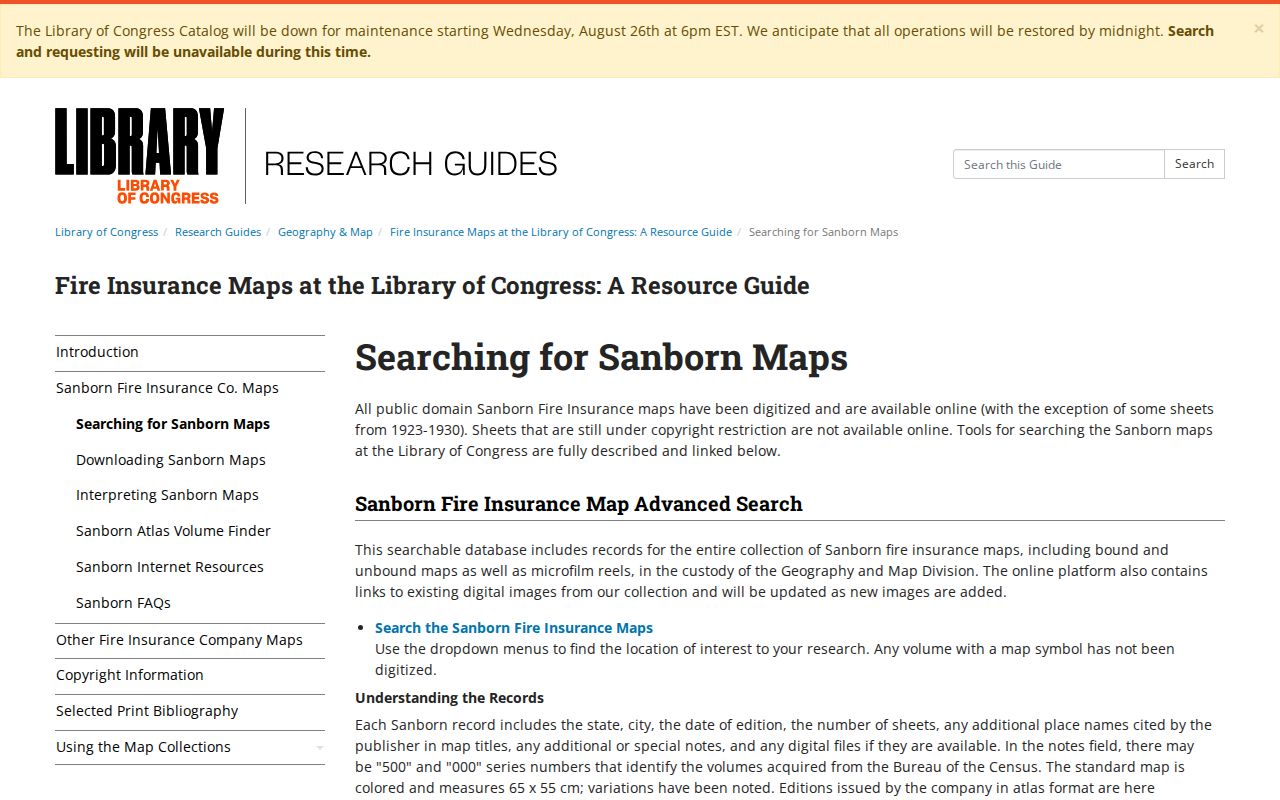
The catalog offers a verification step. It does not confirm a digitized Greenbelt Sanborn run. Where no map exists, combine the deed legal description, subdivision plat, GHI blueprint, directory evidence, newspaper archive, and permits. That layered method beats filling a local gap with a generic map assumption.
Where Greenbelt Previous Resident Trails End
Some Greenbelt address histories reach a firm endpoint in a deed, a census household, or an obituary. A public estate filing can also close the trail. Others stop cold. An archive gap, a changed court or unit label, or an unscanned newspaper issue can all end a trail. So can a record held only at a counter. Keep the last confirmed source and the unresolved question separate. That way a Greenbelt past-resident story shows which parts are documented and which remain leads.
For a current street-level question, turn to the address-based records on the Greenbelt by street directory. Avoid stretching an old household listing into the present. Previous residents are historical traces. Each source carries its own date, coverage, and privacy boundary.